
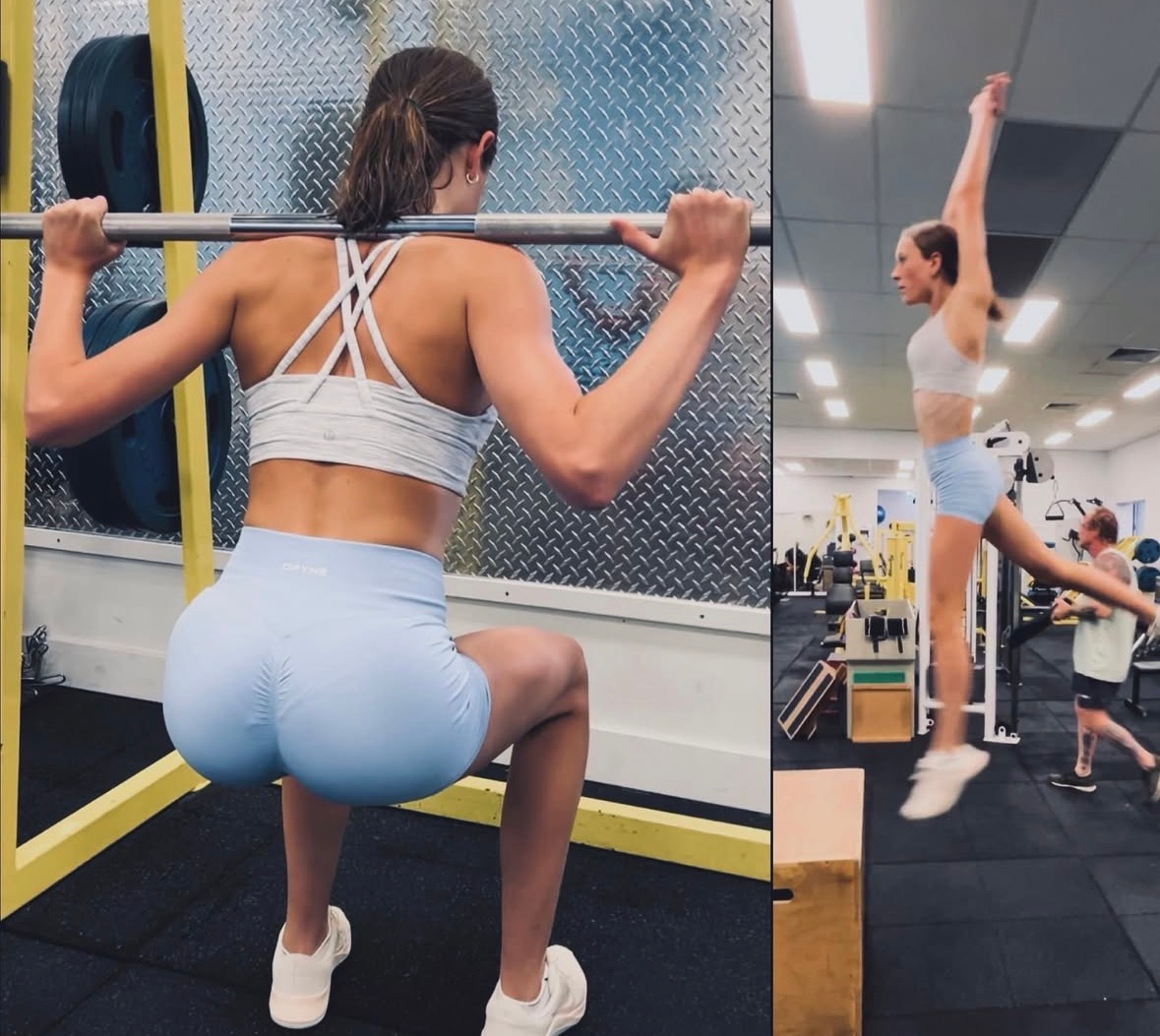
Specific strength training is a vital component of a swimmer’s, particularly a young athlete’s, overall development. While pool training builds cardiovascular fitness, strength training creates the necessary power, speed, and resilience needed for competitive swimming, especially as they mature.
Benefits of Specific Strength Training for Swimmers
Swimming involves repetitive motion in a low-impact, gravity-minimized environment, which can lead to muscle imbalances. Targeted dryland training fixes this by:
- Injury Prevention (Shoulder & Back Health): Repetitive strokes, especially butterfly and freestyle, put high stress on shoulders. Strength training (e.g., external rotations, pull-ups) strengthens the rotator cuff, back, and core, protecting joints from overuse injuries.
- Increased Propulsion (Power and Speed): Strength training builds muscular power in the lats, pectorals, and triceps, which enables a more forceful pull, allowing for greater distance per stroke.
- Faster Starts and Turns: Explosive exercises like box jumps, medicine ball slams, and deep squats improve the power of the leg kick, increasing force during starts and the push-off from the wall.
- Core Stability & Alignment: A strong core acts as the foundation for all strokes, keeping the body in a streamlined position and reducing drag, which increases efficiency.
- Enhanced Endurance: Dryland training builds muscular stamina, allowing swimmers to maintain a high level of performance throughout a race without fatiguing.
The Importance of Correct Technique for Growing Joints
Swimming, especially at a young age, involves thousands of rotations, which puts immense load through growing joints. Introducing strength training requires strict adherence to correct technique to avoid damaging developing bones and ligaments.
- Protecting Growth Plates: Adolescents with developing skeletons must avoid overloading with excessive weight. Proper technique ensures that the muscle is doing the work rather than overloading the bone and joint.
- Muscle Memory Formulation: Younger swimmers are building their muscle memory. Learning correct technique early on ensures they don’t develop poor habits that can cause long-term injury as they increase training intensity.
- Reducing Joint Strain: Improper technique in the gym can lead to severe strain on the shoulders, knees, and lower back, often causing injury rather than preventing it.
- Maximizing Training Efficiency: Correct technique ensures that the target muscles (e.g., lats, glutes) are properly activated. If an exercise is done incorrectly, the wrong muscles are worked, leading to poor swimming performance and potential, unnecessary strain.
Recommendations for Introducing Strength Training
- Start with Body Weight: Before using weights, children should master bodyweight movements like push-ups, planks, and squats.
- Focus on Movement Quality: “Movement quality should always take priority over load”.
- Supervision is Key: All dryland training should be supervised by a qualified coach or instructor who can provide feedback on form.
- Prioritize Balance: Ensure the program includes exercises that work the antagonist muscles (e.g., strengthening the back to counteract the chest muscles) to maintain joint integrity.