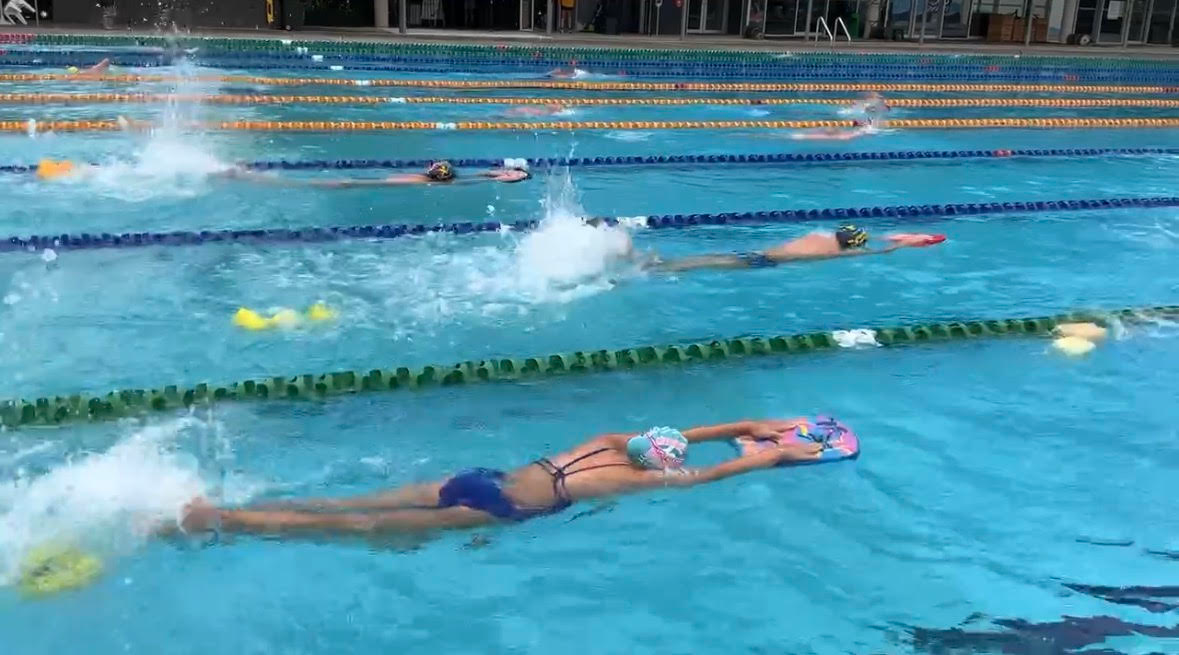
Small group training sessions with a coach highly skilled in stroke development and injury prevention offer a unique blend of personalised attention, specialised expertise, and communal motivation. By combining tailored technical instruction with a proactive approach to safety, these sessions allow swimmers to improve efficiency while mitigating risks associated with repetitive motion, such as shoulder or lower back strain. Key benefits include: 1. Specialised Technical Development Highly Tailored Instruction: A skilled coach can identify and correct biomechanical errors—such as improper head positioning, breathing techniques, or inefficient arm pulls—before they become ingrained habits. Targeted Drills: Sessions often incorporate specific drills designed to improve body alignment, rotation, and stroke, rather than just swimming laps. Faster Skill Acquisition: The combination of expert guidance and immediate feedback in a small group (typically 3–10 people) allows for quicker, more efficient learning compared to large group lessons. 2. Proactive Injury Prevention and Safety Early Detection of Risks: Coaches with expertise in this area can identify potential, hidden injuries, or muscular imbalances before they become major issues, reducing the likelihood of being sidelined. Correcting Movement Patterns: The focus is on moving better and more efficiently, which reduces unnecessary stress on joints and muscles. Structured Conditioning: Coaches often integrate dry-land strength exercises, targeting the rotator cuff, scapula stabilizers, and core, which are essential for protecting the body and boosting performance. Increased Supervision: Smaller groups enable the coach to maintain better visual contact and provide immediate, hands-on corrections, which is critical for safety. 3. High-Level Coaching at Lower Cost Affordability: Small group training provides the benefits of personalised, expert attention at a fraction of the cost of one-on-one coaching. Expertise Access: These sessions allow access to high-level coaches who can guide swimmers toward specific goals, such as training for a triathlon, improving speed, or returning from an injury, in a more affordable format. 4. Motivation and Community Camaraderie and Accountability: Working out with a small, consistent group creates a supportive environment, increasing the likelihood of sticking to a routine. Peer Learning: Participants learn not only from the coach but also by observing peers, which can be highly effective for skill development. Reduced Pressure: While personalized, the environment is generally more relaxed than a one-on-one, high-pressure session, making it more enjoyable for many swimmers. 5. Efficient and Structured Training Optimized Workouts: The coach ensures that workouts are structured with proper rest and repetition, building muscle memory without excessive fatigue that breaks down form. Versatility: The coach can adapt to individual needs, such as modifying strokes to avoid pain in a recovering injury. In summary, this training format is ideal for individuals looking to significantly improve their technique, longevity in the sport, and performance, while enjoying the camaraderie and cost-efficiency of a group setting.